Buildings swallow a giant slice of all the energy we produce. They guzzle electricity, burn fuel, and leak heat around the clock. As cities balloon and energy prices creep up, the old way of throwing up a building looks more and more wasteful. So tomorrow’s buildings have a tall order in front of them. They have to deliver more while burning through less. Less power. Less material. Less waste. Tricky? Sure. But smart design paired with smart materials makes it doable.
Chasing Efficiency
Modern buildings face many demands. Warm in January. Cool in July. Cheap to run. Sturdy enough to stand for fifty years without crumbling. Hitting all of those marks at the same time takes some serious thought. Energy sits smack in the middle of the whole thing. A building that bleeds heat pushes its furnace and AC to grind away nonstop. That torches money and chews up resources. Now seal that same building up tight and watch what happens. The heater eases off. The bills shrink. The rooms feel better to be in.
Little Footprint, Huge Payoff
Space counts for more than ever right now. Land runs expensive, and cities just keep packing in tighter. Builders have to wring every bit of worth out of the ground they build on. Thinner walls that still fend off heat open up more room inside. Lighter materials mean the structure hauls around less weight. It shrinks the foundation and lowers the price. “Doing more with less” is no longer a catchy phrase. These days it is just how good building works.
The Material Puzzle
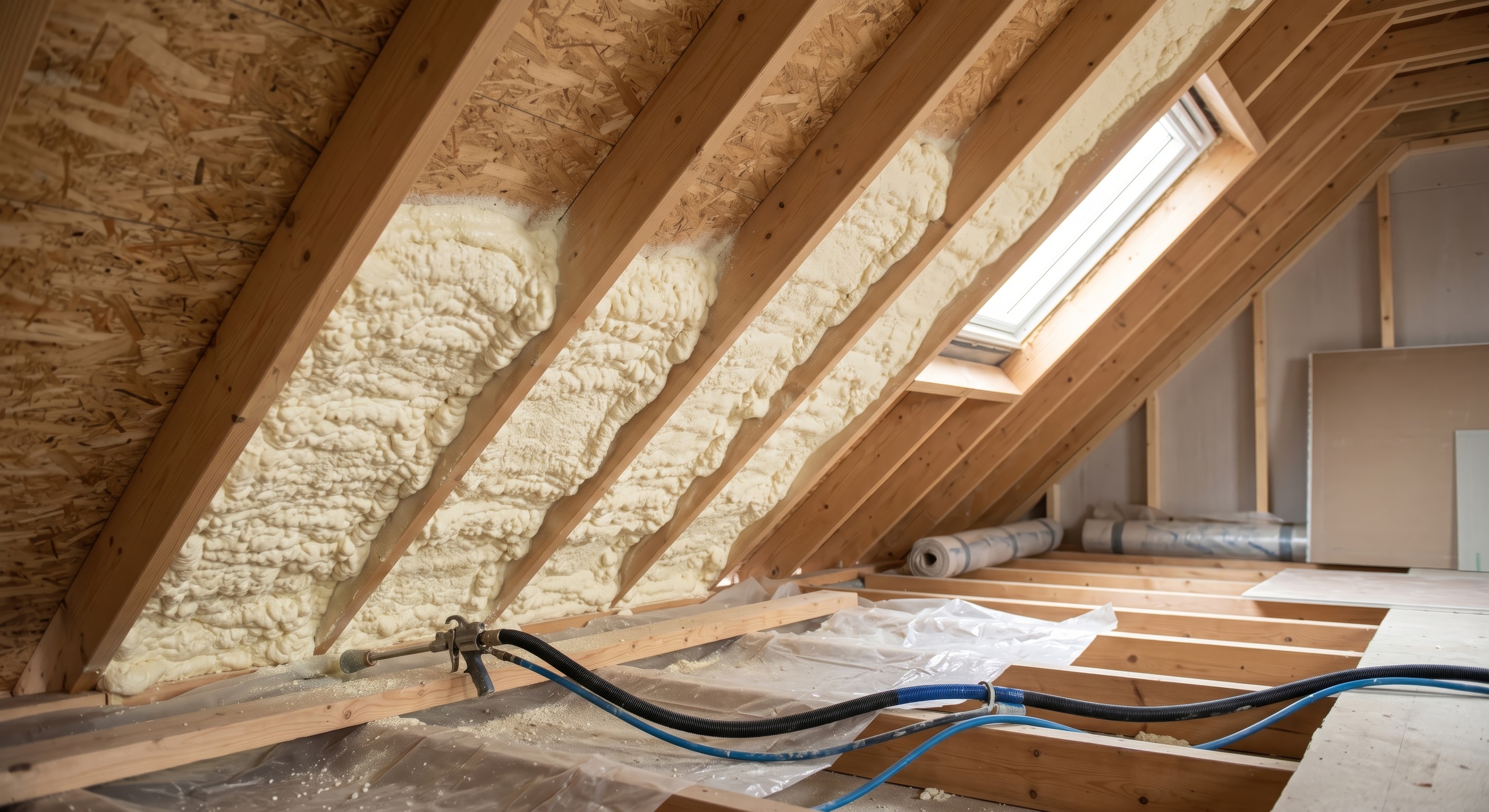
A building’s strength relies on its contents. Using wrong materials makes maintenance difficult. Good choices ease the work. Take insulation. Whatever sits inside your walls decides how much heat slips in or out. Some products weigh a ton, drink up water, and fade over the years. Others stay light, brush off moisture, and hold their strength for a long haul. That difference shows up big time over the decades a building stands.
Anyone weighing the options ought to dig into the benefits of using EPS insulation vs traditional fiberglass. Builders can meet their efficiency targets with the high-quality materials offered by companies like Epsilyte. Foam insulation is lightweight and water-resistant. It retains its form long-term. Those characteristics combine to create a home that is both comfortable and economical to maintain.
Building for Wild Weather
The climate keeps tossing surprises our way. Hotter summers. Meaner storms. Buildings have to take the punches and still sip energy rather than gulp it. Buildings with good insulation handle bad weather much more effectively. They maintain a consistent temperature despite outdoor fluctuations. This lightens the strain on the power grid during a heat wave. It also keeps the people inside comfortable when things get ugly out there. Planning for tomorrow’s weather today spares you a pile of grief later.
The Reward Later On
Smart building sometimes costs a bit extra at the start. But the payback rolls in down the road, and it rolls in strong. Lower bills stack up month after month. Fewer repairs save both cash and aggravation. A comfortable space keeps everyone inside happy for years on end.
Conclusion
Tomorrow’s buildings will not just stand taller or stretch wider. They will run smarter. They will squeeze more comfort, more savings, and more life out of fewer resources. That change kicks off when better design and better materials team up. Do more with less, and the wins spread around. The owner comes out ahead. So does the occupant. So does the planet.
Read More: Why Some Manufacturing Breakthroughs Begin Long Before Production Starts