Aluminum built the golden age of flight. Steel and a few trusty alloys pitched in too. For almost a hundred years, these metals have aided planes in flying over oceans and propelled rockets into space. Solid, cheap, and bends just right to fit whatever shape you need. Then the goalposts moved. Aerospace engineers started chasing speeds and temperatures that leave old-fashioned metals gasping. And the hard truth is finally setting in. The stuff that carried us this far just cannot make the next jump.
The Speed Problem
Fast used to be a bragging right. Now it is a beating. Push an aircraft past the speed of sound and the air quits sliding by nicely. It starts hammering the surface instead. All that friction cooks the skin of the vehicle. Aluminum goes soft around 300 degrees Fahrenheit, which sounds toasty until you learn a hypersonic craft can blow past 2,000. So the metal that behaves on a passenger jet becomes a straight-up hazard on anything quicker. It bends. It buckles. It bails right when the pressure peaks.
Read More : Why Tomorrow’s Buildings Need to Do More With Less
The Weight Trap
One rule never bends in aviation. Every extra pound costs fuel. Fuel costs cash, and it shortens how far anything can travel. Metals are heavy, plain and simple. You can trim only so much before a part gets too flimsy to count on. Engineers have already wrung conventional metals dry. They drill holes. They hollow out the guts. They strip every bracket down to the basics. Doesn’t matter. A metal wing spar weighs the same no matter what. No tricks left in the bag.
Heat Is the Real Enemy
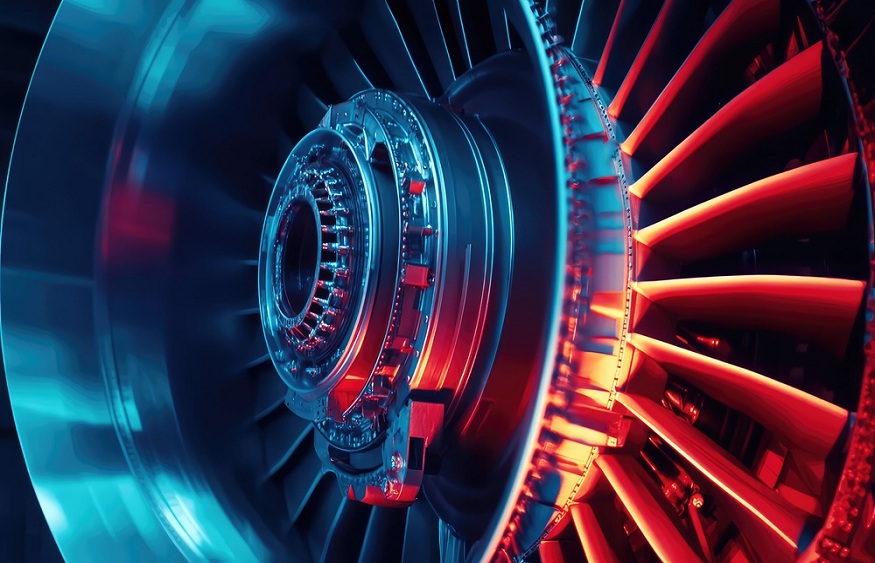
Speed and weight are headaches, no argument. But heat is the final boss. Engines run hotter these days by design, because that means cleaner burning and better mileage. The snag? The metals stuffed inside those engines are heating up close to melting. Nudge that temperature up one more notch and the parts start slumping like a candle on a hot dashboard. Enter advanced ceramics. Weave ceramic fibers into a ceramic base, and you get something that scoffs at heat while staying light as a feather. Companies scouting for the best ceramic matrix composites suppliers (axiommaterials.com/products/ceramic-matrix-composites) keep circling back to Axiom Materials since they help turn these stubborn materials into real parts that fly and take the punishment.
Fatigue and Wear Add Up
Metals get tired. Seriously. Bend a paperclip back and forth and eventually it snaps clean in two. The same thing happens to aircraft parts, just slower and with a whole lot more riding on it. Each takeoff and landing. Each bump of turbulence. All of it slowly weakens the metal’s strength. Once you’ve piled up thousands of flights, tiny cracks start creeping in. Inspectors chase them around the clock. Crank up the speed and heat, though, and that wear kicks into overdrive. Conventional metals fall behind fast.
What Comes After Metal
The next wave is already rolling in. Carbon fiber composites. Ceramics that shrug off furnace heat. Metals mixed in ways nobody dared to try before. These newcomers weigh less and hit harder. They feel right at home in brutal conditions. They cost a pretty penny right now and shaping them takes real skill. But the reward is worth it. Vehicles that climb higher, fly faster, and run hotter without coming apart at the seams. That is the whole game.
Read More : Comparing Staffing Models for Compliance, Audit and Risk Teams
Conclusion
Conventional materials had their run. They lifted us off the dirt and aimed us at the stars. Their ceiling, though, is finally in plain view. The sky wanted more. Metal tapped out. Something better had already grabbed the controls.