
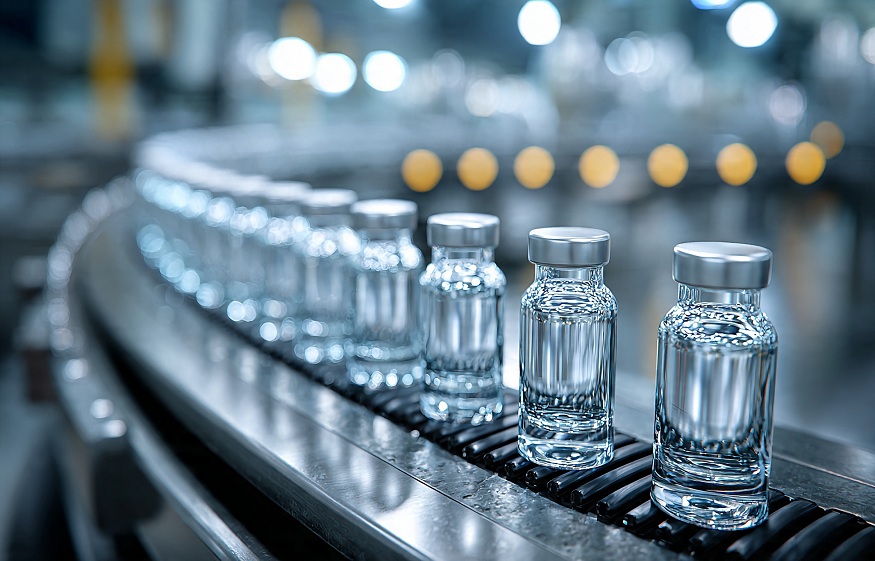
Medical supplies aren’t like regular shipments. A dented box of office supplies causes minor annoyance. Damaged vaccines inflict real damage. Temperature changes can spoil medicines. Rough handling can crack diagnostic equipment worth thousands of dollars. Contamination can make sterile products dangerous. The packaging protecting medical goods needs to work perfectly every single time. No exceptions. No second chances. This reality pushes healthcare logistics teams to constantly hunt for better solutions.
Temperature Control Remains King
Most medical products hate temperature swings. Insulin breaks down in heat. Vaccines lose effectiveness when they freeze. Biological samples degrade outside narrow temperature windows. Blood products spoil fast without proper cooling.
Read More: Why Top CEOs in NYC Use CEO Coaching to Stay Ahead
Ice packs/coolers are suitable for short trips. Long journeys require smart solutions. Phase-change materials hold specific temperatures for extended periods. These materials absorb heat during melting, preserving contents at a cool temperature. Insulated containers have improved significantly recently. Modern designs keep temperatures stable for 48+ hours, even on hot summer docks. Some high-end versions stretch that window to 96 hours or beyond.
Cushioning Against Chaos
Fragile medical devices need protection from impacts. Diagnostic machines contain delicate sensors. Imaging equipment uses precision optics. Laboratory instruments require exact calibration. One hard drop can knock any of these out of commission. Custom-molded foam inserts provide optimal product protection. The foam cushions and secures items. Proper fit is key. Products that rattle around inside boxes create their own collisions with every bump in the road. Expandable polystyrene suppliers like Epsilyte play a critical role in this space. Their foam products are lightweight yet highly protective, reducing shipping costs for equipment.
Sterility Demands Attention
Some medical items must remain sterile from production to use. All medical supplies, from instruments to IVs, need contamination-free packaging. Several barriers prevent germ entry. Inner pouches create controlled environments for products. The outer packaging protects against punctures and moisture. Unauthorized package openings are visible with tamper-evident seals. Material choices matter here. Some plastics allow moisture through over time. Others block it completely. Getting this wrong means products arrive compromised even though the packaging looks fine from the outside.
Tracking and Visibility
Smart packaging now includes technology that follows shipments in real time. Temperature sensors log conditions throughout a journey. GPS trackers show exactly where packages sit at any moment. Shock indicators reveal if someone dropped a container too hard. This data proves valuable after delivery, too. If a product fails later, logistics teams can check whether shipping conditions played a role. They can identify problematic carriers or routes. They can spot patterns and fix recurring issues.
Sustainability Pressures Grow
Healthcare organizations face increasing pressure to reduce waste. Single-use packaging creates vast amounts of waste. Hospitals face many disposal issues, and extra packaging would only worsen them. Recyclable and biodegradable options have seen major improvements. Some insulated containers now use plant-based materials. Containers in reusable shipping systems return to distribution centers to be used again.
Making Smart Choices
Upgrading medical supply packaging requires weighing several factors together. Protection levels must match the product sensitivity. Temperature control needs to fit the shipping duration. Costs need to stay reasonable without sacrificing reliability. The best solutions often combine multiple approaches. A well-designed insulated container with custom foam inserts and temperature monitoring covers most threats at once.
Read More: What Architects Need to Know About the Future of Sustainable Design
Conclusion
Medical supply chains can’t afford packaging failures. The consequences range from wasted money to genuine danger. Investing in proper packaging protects products, patients, and bottom lines all at once. Better options exist now than ever before. Teams willing to evaluate and upgrade their packaging find solutions that work harder and fail less. The effort pays off.