Architecture firms face a reckoning. Clients walk into meetings asking about carbon footprints and energy payback periods. City councils pass codes that ban natural gas hookups. Young architects refuse job offers from firms still designing glass boxes that leak energy. The profession must adapt or watch work dry up.
Materials Will Get Smarter and Stranger
Concrete mixed with bacteria sounds like a mistake, but it’s actually a breakthrough. The bacteria sleep in the concrete until water finds a crack. Then they wake up and produce limestone that fills the gap. Bridges and parking garages could last three times longer with this stuff. No more frequent repairs.
Wood engineers learned how to bond boards into panels for skyscrapers. Eighteen-story timber buildings stands lock carbon inside their walls instead of belching it out during production like steel buildings do. Fire? The thick wood panels char on the outside but stay solid inside. Tests show they often beat steel beams in furnace conditions.
Styrofoam manufacturers are now looking at mushroom roots and corn stalks for compostable foam. Companies such as Epsilyte now prioritize recycled EPS, which outperforms standard foam, using fewer materials. Although odd, algae in glass tubes on facades can clean air and provide shade. Today’s architecture students study materials their instructors didn’t know a decade ago.
Energy Systems Will Practically Run Themselves
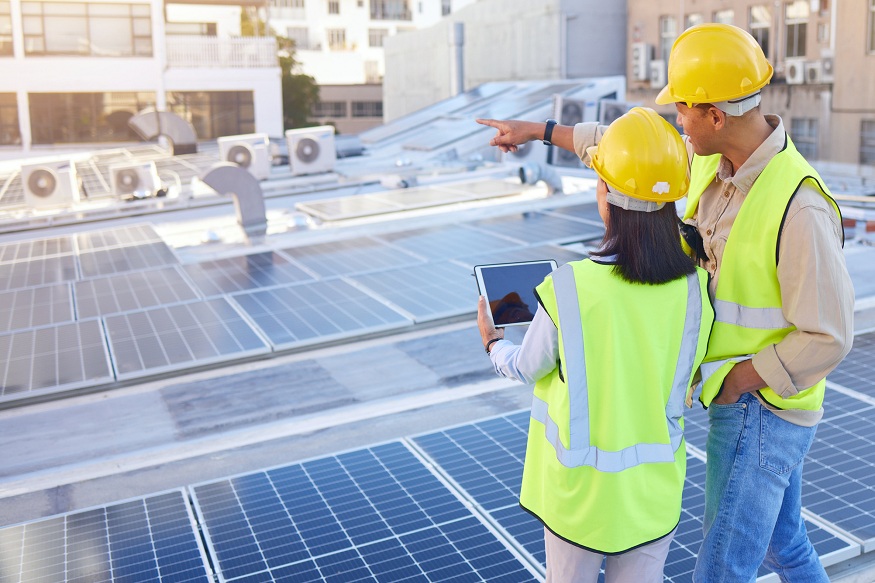
That new office building downtown? It sells electricity to the power company on sunny days. Solar shingles that resemble slate or terra cotta generate power, avoiding the typical solar panel look.
Building management systems grew brains. They watch weather forecasts and start cooling buildings at 3 AM when electricity costs pennies. They know Tuesday’s conference room schedule and heat only occupied spaces. During summer brownouts, they make small, unnoticeable adjustments to prevent blackouts.
Drilling technology borrowed from oil companies makes geothermal systems work almost anywhere now. These systems extract 55-degree temperatures from underground. Building owners cut energy bills by two-thirds. The equipment’s cost is recovered in four years.
Design Processes Will Embrace Data and Nature
Termites build mounds that stay cool in the African heat with no power source. Architects studied these structures and designed buildings that breathe through passive ventilation. Computers now test building designs against forty years of weather data before anyone breaks ground. They rotate 3D models to find the perfect angle for winter sun and summer shade. They calculate how different window coatings perform during heat waves. What took months of calculations now happens during a coffee break.
Factory-built construction changes everything about project timelines. Crews build bathroom pods in warehouses while site work continues. Kitchen units arrive complete with appliances installed and tested. Bad weather doesn’t delay indoor factory work. A hotel that took eighteen months to build now takes eight.
Community Integration Will Define Success
Single-use buildings waste land and infrastructure. The winning projects blend offices, housing, shops, and parks into single developments. People walk to lunch. They bike to work. Parents watch from balconies as their kids play. These neighborhoods are active almost all day.
Buildings will share more than walls. One structure’s waste heat warms its neighbor. Rainwater from roofs fills tanks that irrigate entire blocks during droughts. Electric vehicle chargers in parking garages send power back to buildings during outages. These connections turn individual structures into cooperative systems.
Conclusion
Sustainable design stopped being optional about three years ago. It’s now the price of admission for serious architectural practices. But sustainability doesn’t mean sacrifice. These new approaches unlock creativity architects never knew they had. Firms that accept this challenge will define future skylines. Those who resist will watch from the sidelines as others build the future.